Published : 2026-11-17
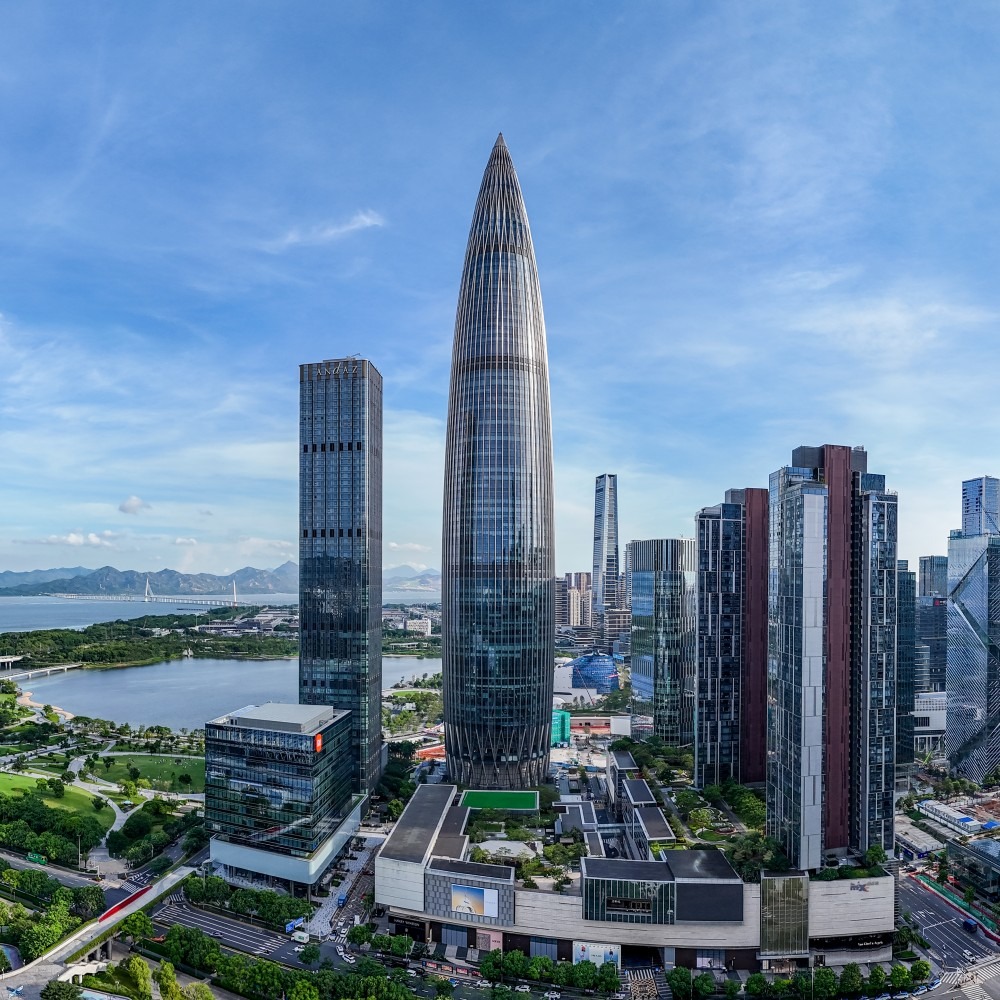
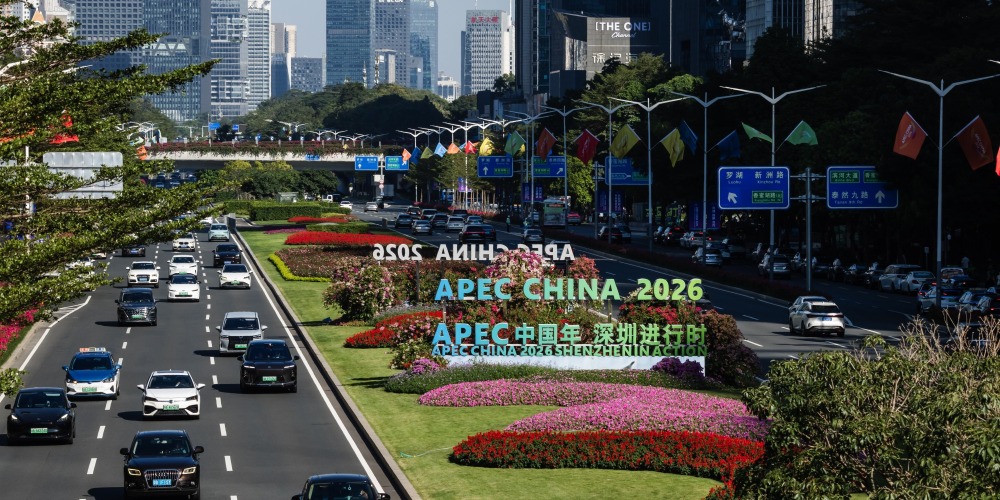
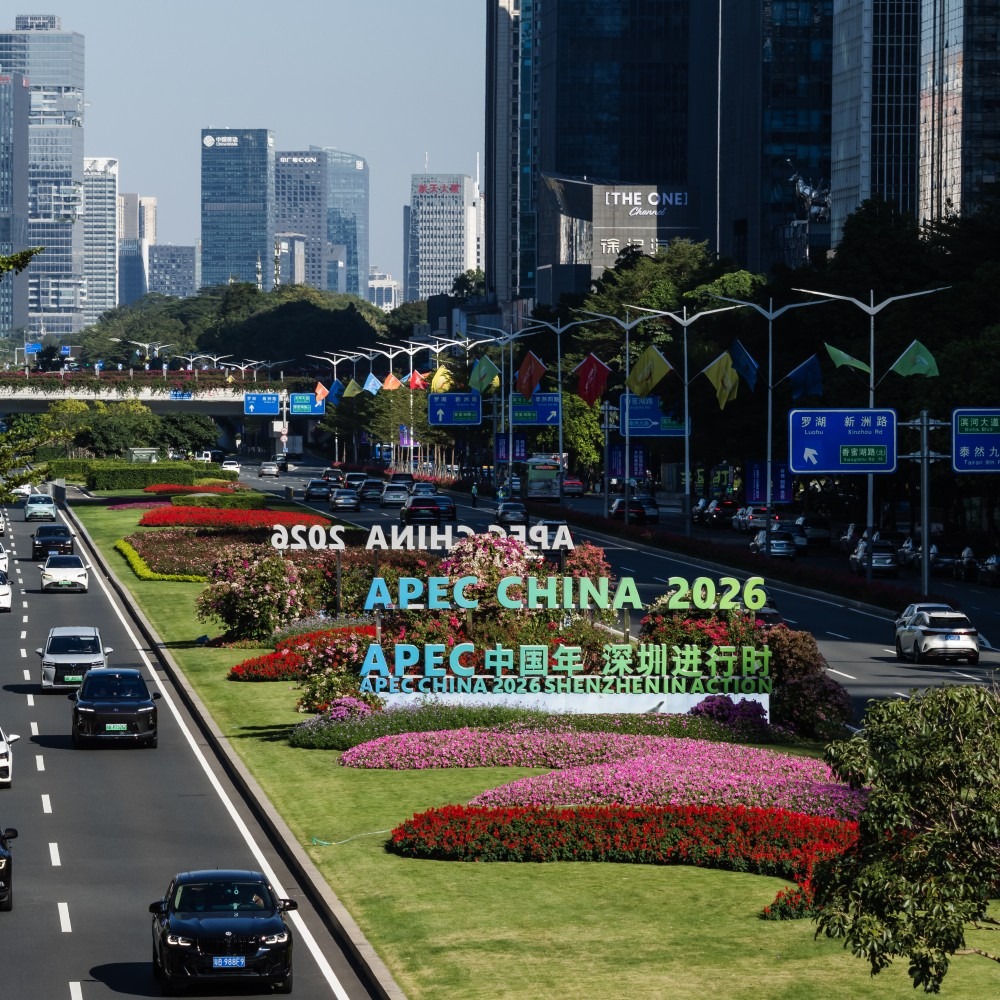
The 2026 Asia-Pacific Economic Cooperation (APEC) conference is being held in Shenzhen from 13 to 20 November. Following Shanghai in 2001 and Beijing in 2014, this marks the third time China has hosted APEC, and the first time the event has been staged in the Guangdong–Hong Kong–Macao Greater Bay Area (GBA) .
To welcome the occasion, the entire city of Shenzhen has shifted into "hospitality mode". Spanning visas, language services, transport, and payments, a comprehensive suite of measures ensures that overseas visitors enjoy seamless business operations and spending from the very moment they touch down.
Visa: 240-hour visa-free transit expands to include travel via HK
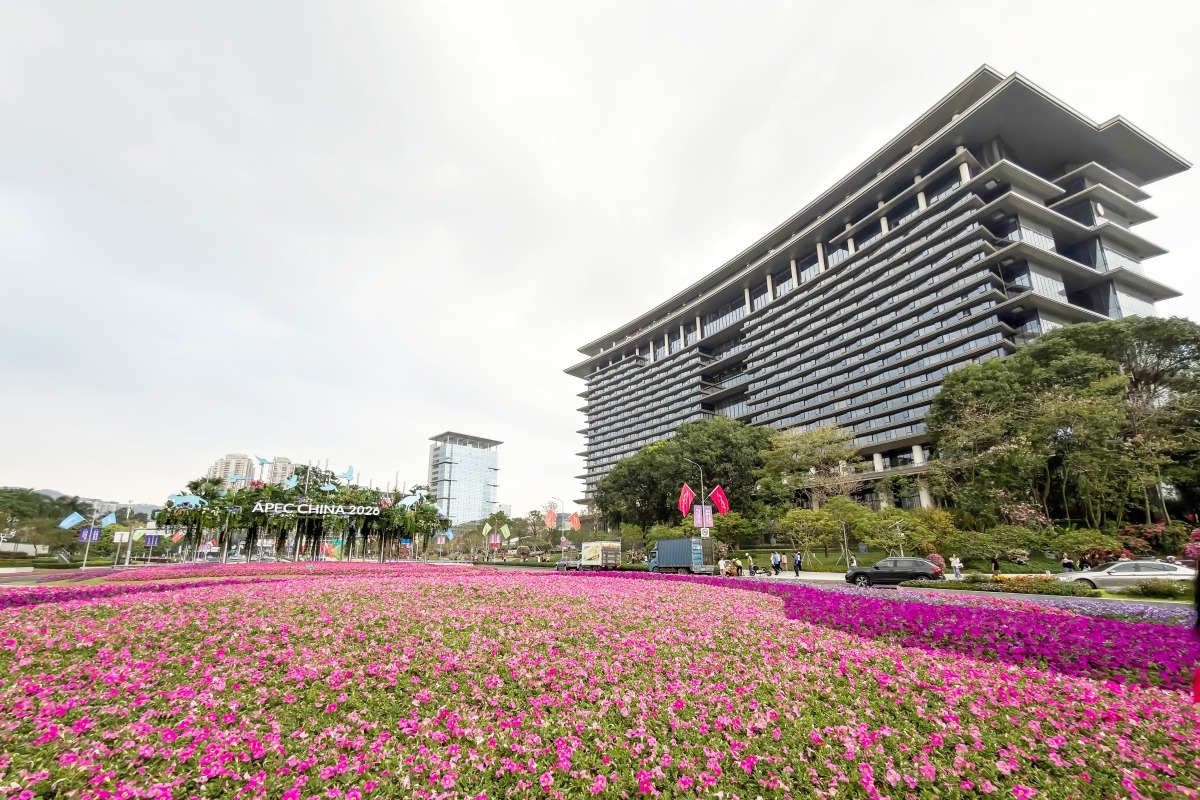
For foreign nationals arriving in Shenzhen, the first tangible convenience is how the door to visa access is progressively opening.
Since its implementation in December 2024, the 240-hour visa-free transit policy has been expanded to cover 57 countries, including the UK, the US, and Russia.
Travellers holding a valid national passport and an onward ticket with a confirmed date and seat—transiting through China to a third country or region—may enter visa-free via 65 ports across 24 provinces for activities such as tourism, business, short-term visits, or family reunions.

In Shenzhen, visa-free entry was previously restricted to Bao'an International Airport.
In preparation for APEC, however, five additional ports in the Greater Bay Area were added to the scheme starting in November 2025: Guangzhou Pazhou Ferry Terminal, Hengqin, the Hong Kong-Zhuhai-Macao Bridge, Zhongshan Port, and the West Kowloon Station of the Guangzhou-Shenzhen-Hong Kong Express Rail Link.
Beyond flying directly into Shenzhen, overseas travellers can also head north from Hong Kong via the high-speed rail or cross into the Chinese Mainland via the Hong Kong-Zhuhai-Macao Bridge, making entry into the city far more convenient.
Increasingly, the "Hong Kong–Shenzhen" route is leaving many visitors with the impression that travelling in China is much simpler than expected.
Language: AI translation supports multiple languages
Upon arriving in Shenzhen, communication is often the first hurdle travellers encounter.
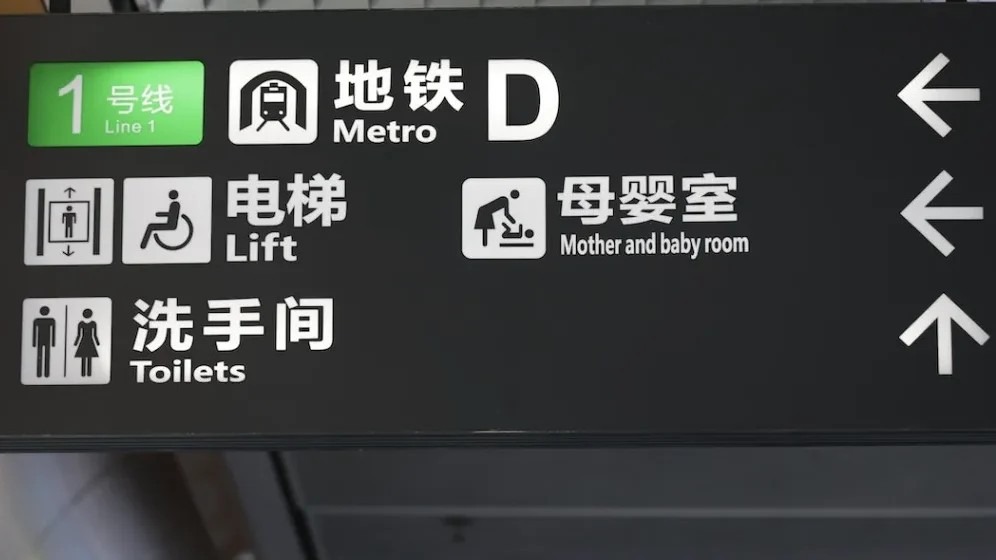
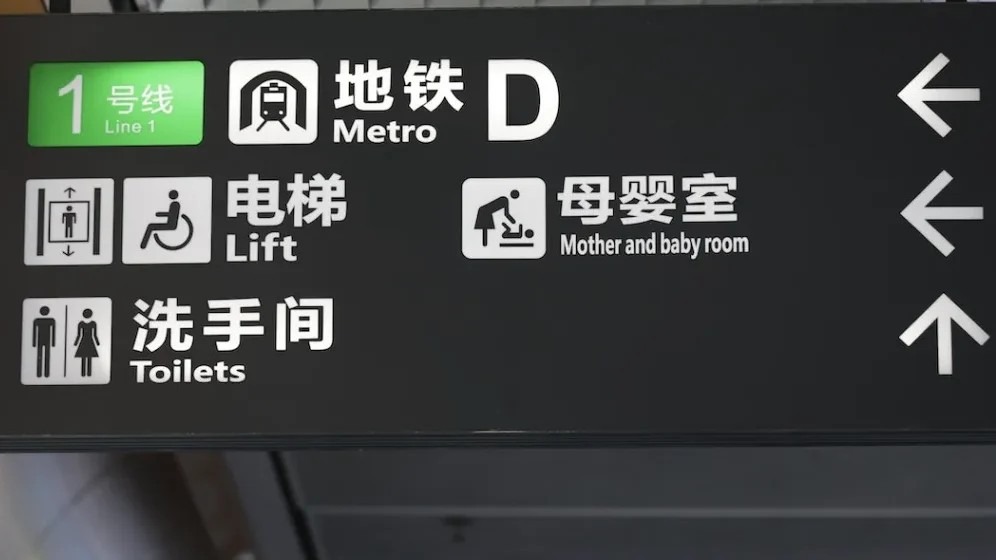
Bao'an International Airport has added nearly 400 multilingual signs in Chinese, English, Japanese, and Korean.
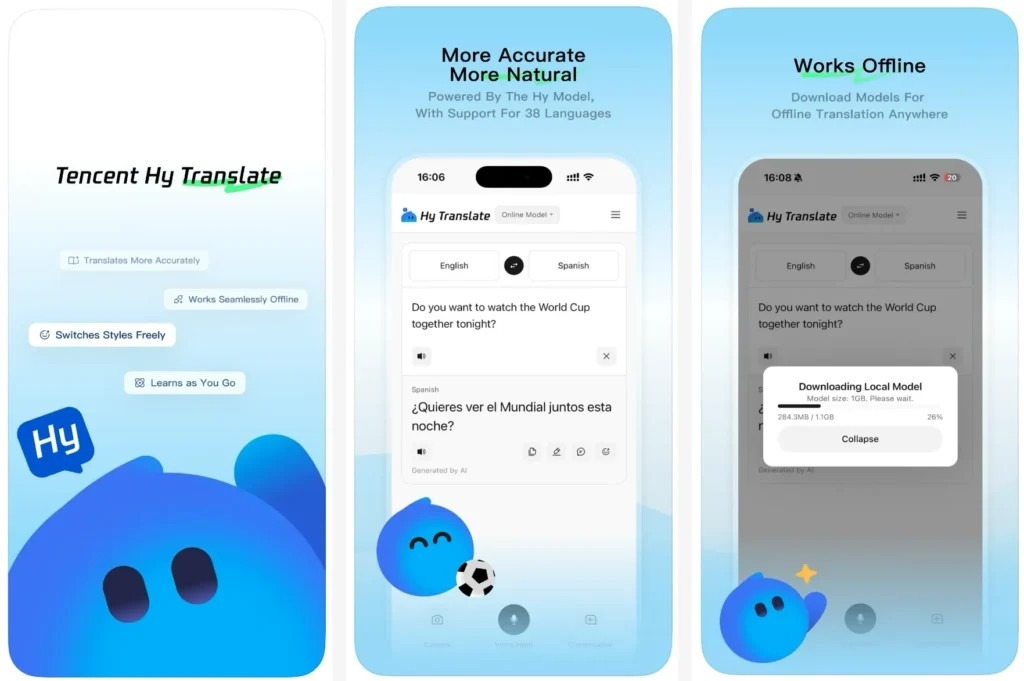
Meanwhile, multilingual AI translation terminals at the Ground Transportation Centre information desks and the International Visitor Service Centre offer real-time translation across 38 languages, ensuring that visitors can access the language support they need the moment they land.
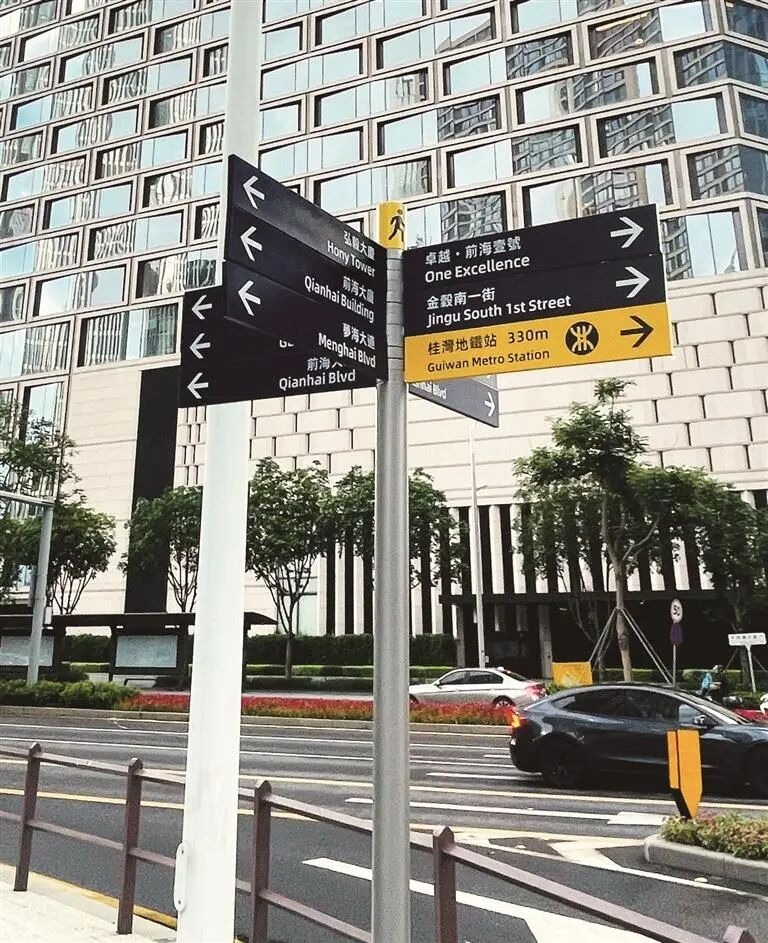
Once outside the airport, street signs and place names are now far more accessible to foreign visitors.
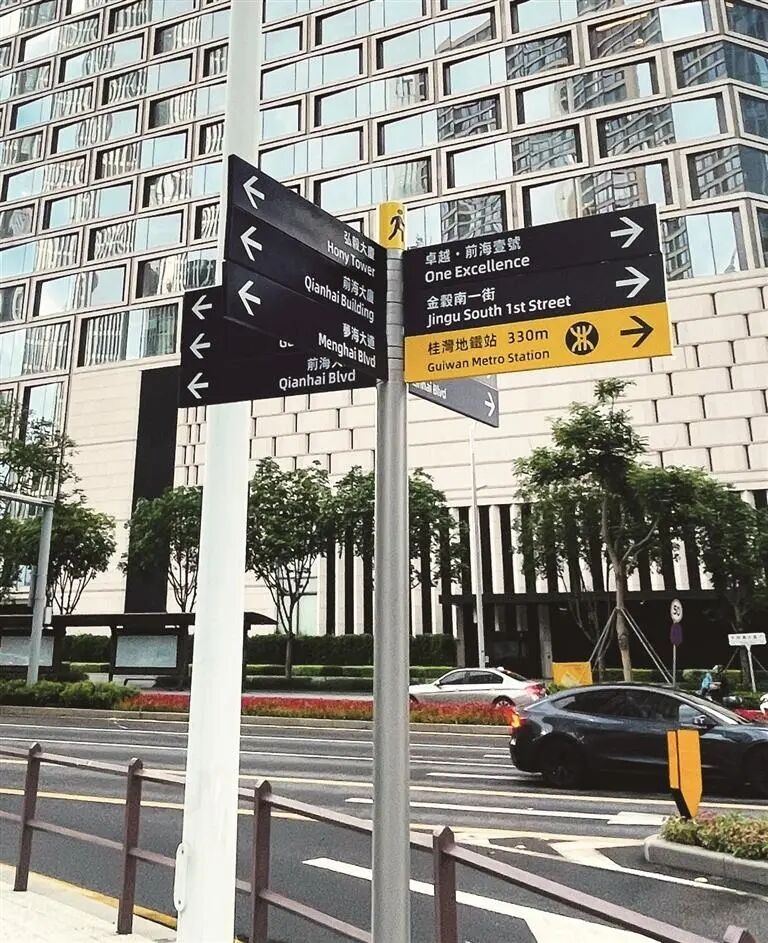
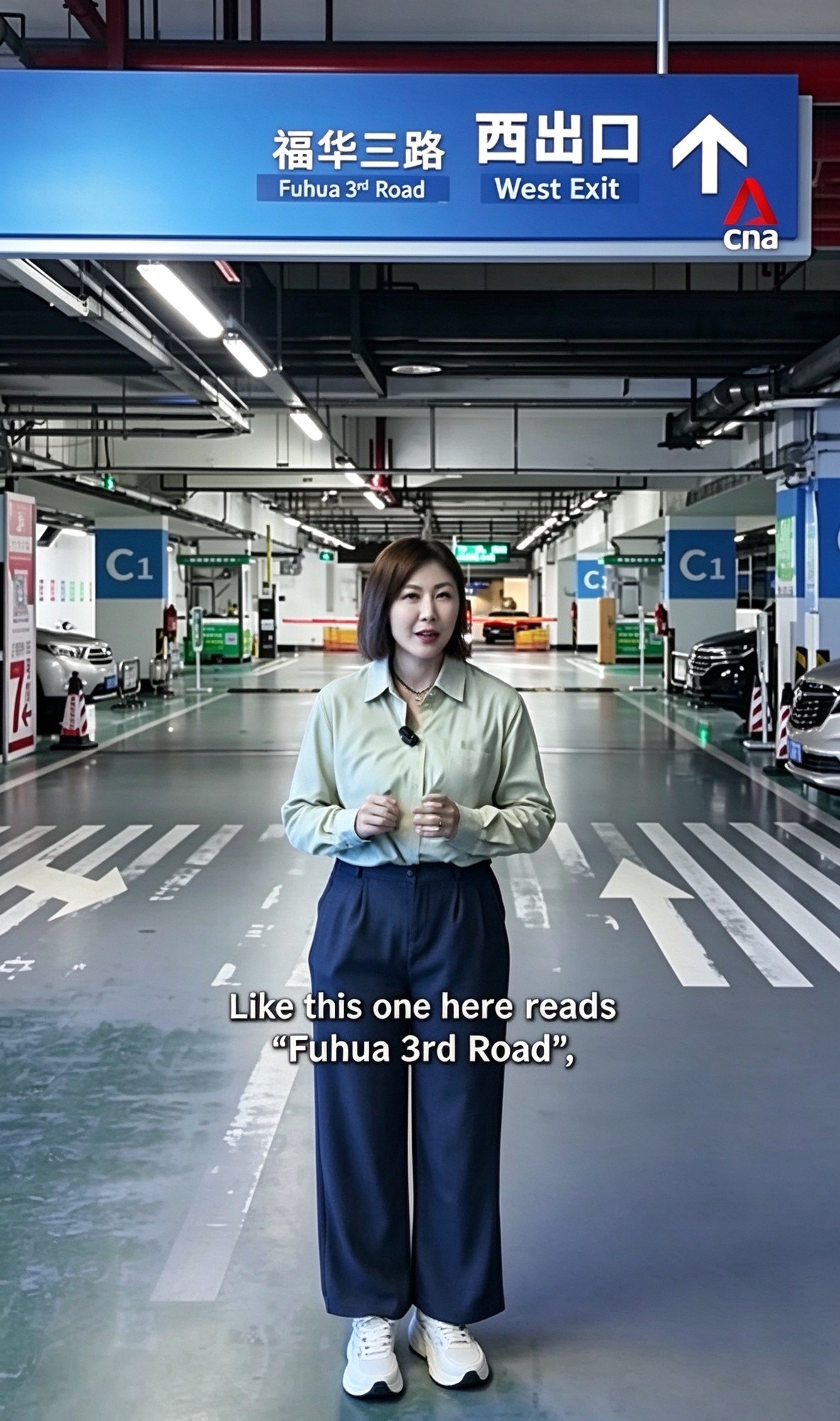
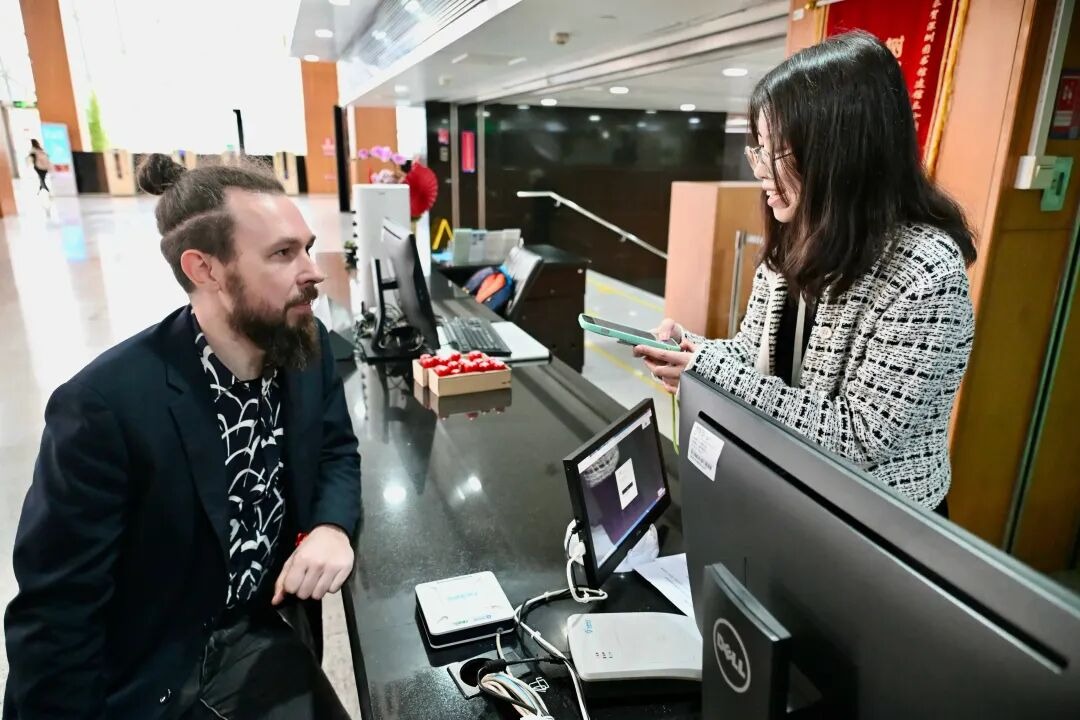
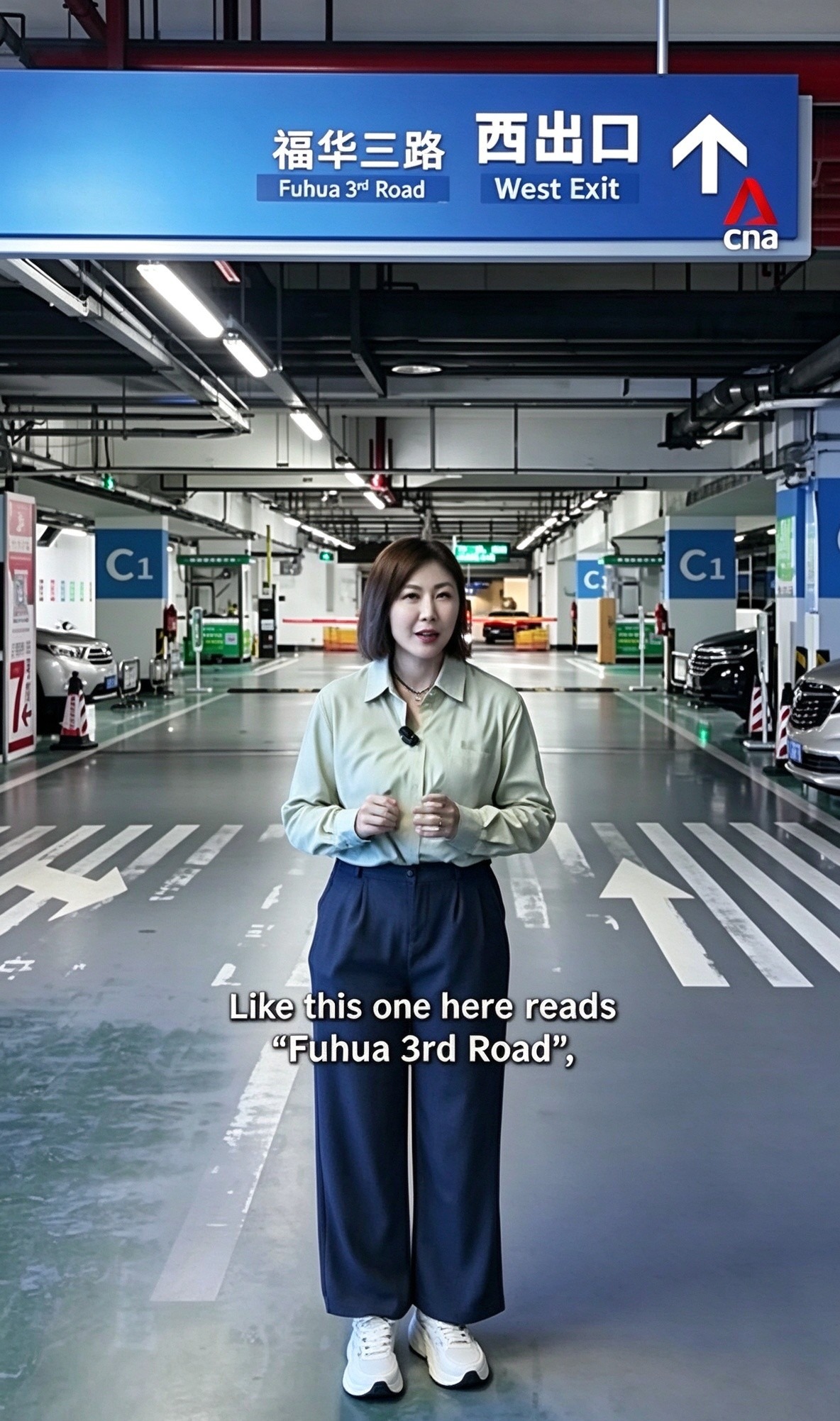
Road signs are no longer just in Pinyin. Now place names retain Pinyin, while functional information is translated into English.
For instance, "福華三路" is rendered as "Fuhua 3rd Road", keeping "Fuhua" in Pinyin while translating "Sanlu" as "3rd Road".
Furthermore, Shenzhen has mandated standardised foreign-language signage across eight categories of public venues, including government services, transport infrastructure, tourist attractions and hotels, healthcare facilities, cultural and sports centres, and emergency shelters, which turns English into an everyday part of urban life.
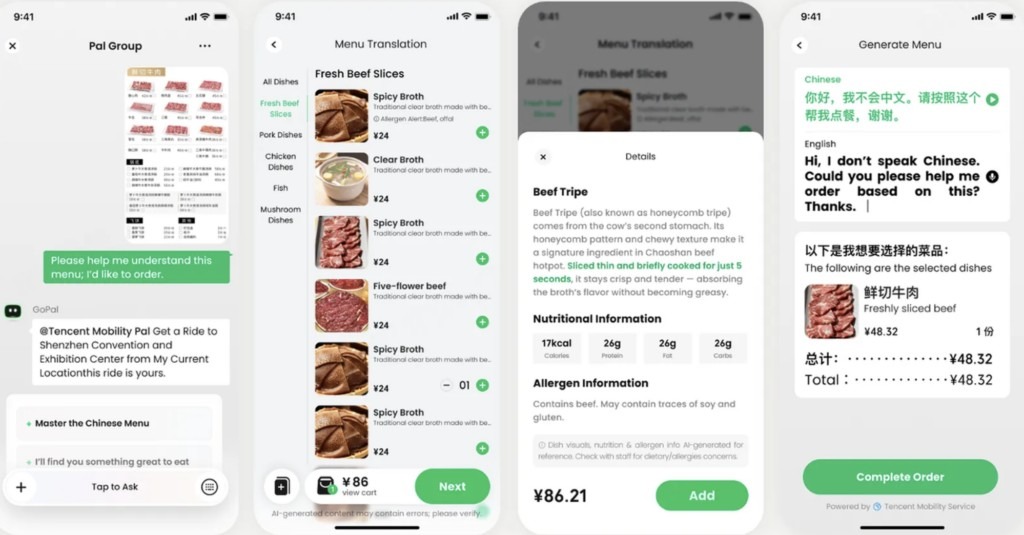
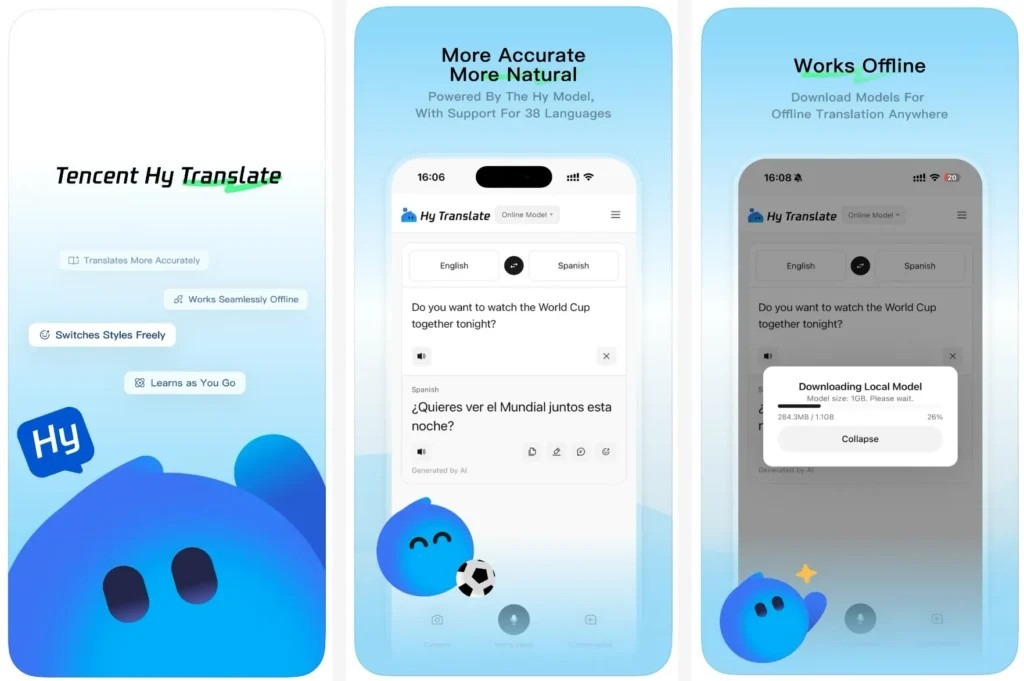
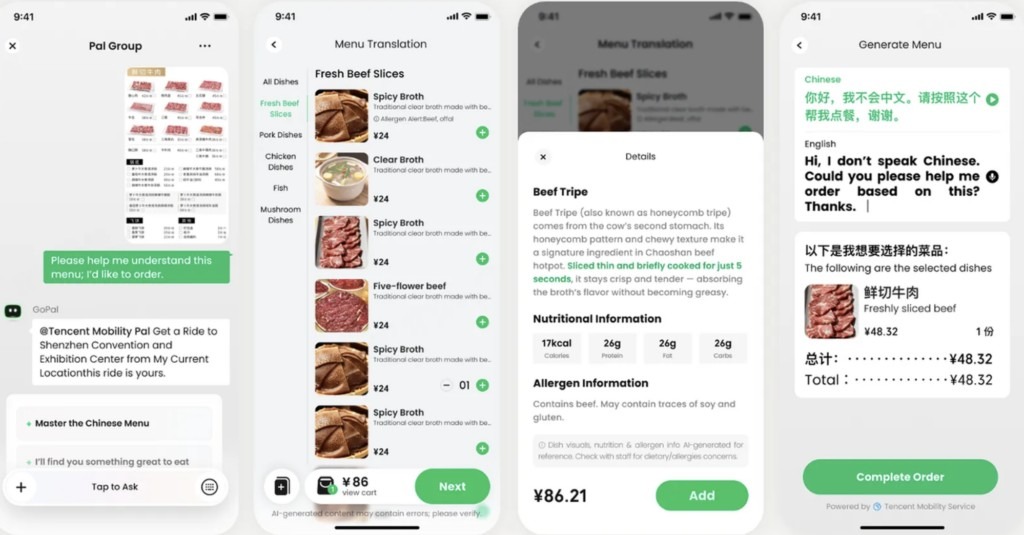
Tencent has also launched an AI menu translation tool that explains the cultural background of dishes, while using AI to help audit and rectify English signage across the city.
For first-time overseas visitors to Shenzhen, communication hurdles at every stage, from asking for directions at the airport and checking into hotels to ordering at restaurants, can now be largely overcome.
Transport: Ride-hailing services support 9 languages
Transport infrastructure is also receiving an upgrade.
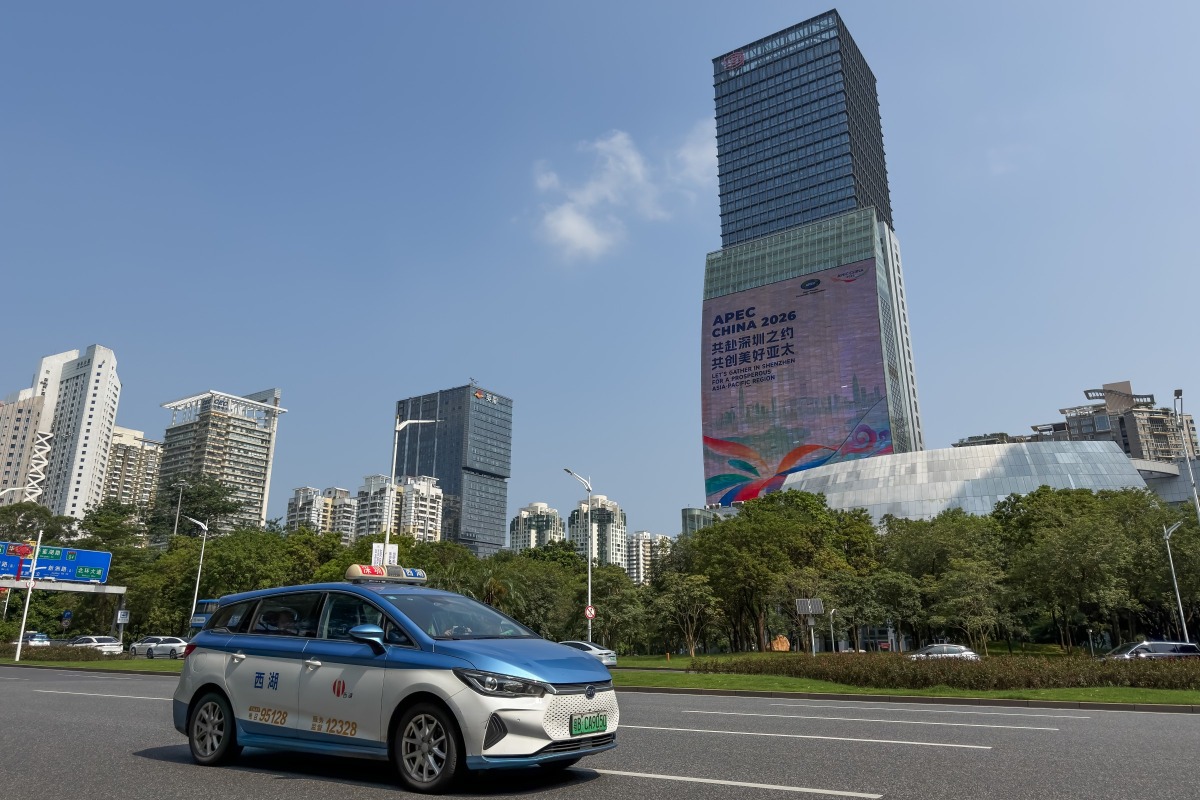
Across the city, there are more than 120,000 licensed taxi and ride-hailing drivers. Ride-hailing vehicles feature bilingual audio announcements in Chinese and English, as well as QR codes linking to the official multilingual platform "EyeShenzhen", which provides one-stop information in nine languages, including English, German, and French.
During APEC, ride-hailing drivers will also carry cash change pouches to make it easier for passengers to pay their fares in cash.
Once they download WeChat or Alipay, visitors can immediately figure out how to use them.
For example, WeChat has launched an international visitors zone alongside a dedicated service hub for exploring Shenzhen with mini programmes. Its mini-programmes support translation across 26 languages, covering everyday scenarios such as hailing a ride, ordering food, and booking tickets.
Taking the metro is just as convenient.
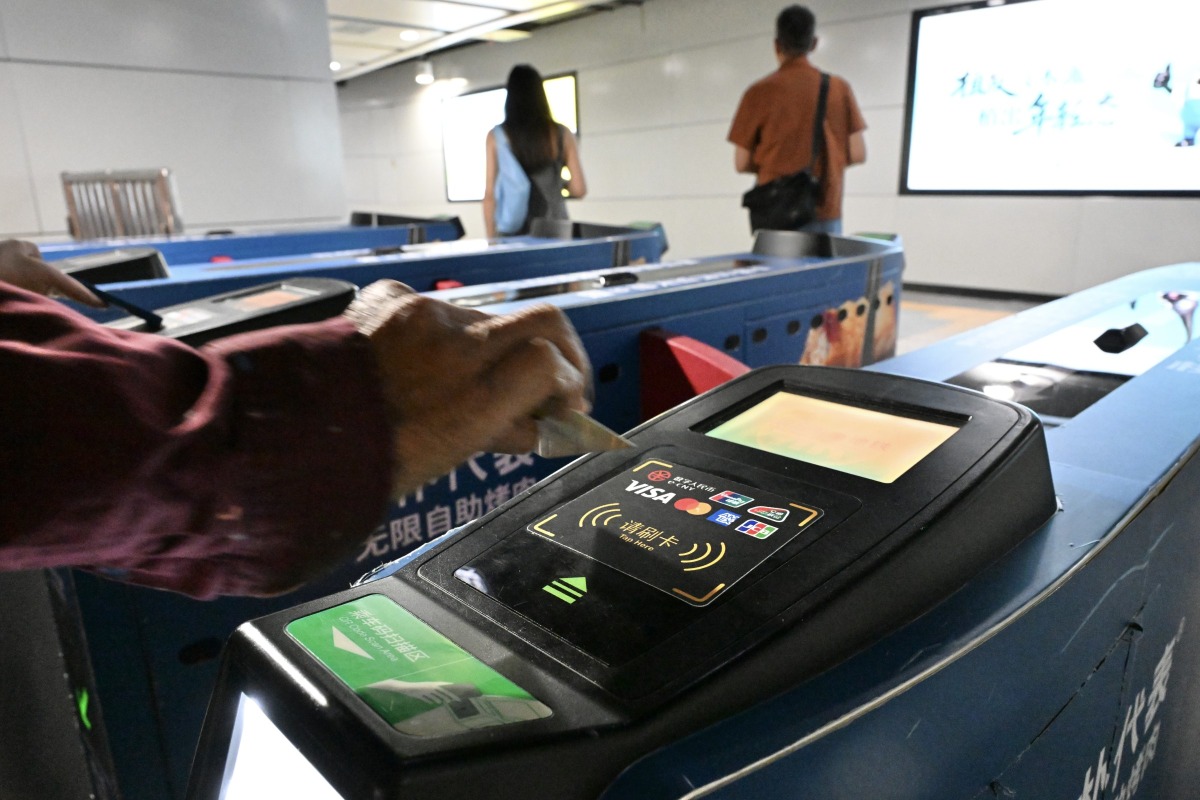
Starting from September 2026, on top of the existing UnionPay card tap-and-go entry, the Shenzhen Metro will add support for contactless tap-and-go entry with Visa, Mastercard, American Express, and JCB cards, covering bank cards issued in more than 200 countries and regions.
Passengers can enter the station directly by tapping their card on the turnstile's sensor area.
All 11,000 bus stops across the city have been updated with English stop names, and scanning a QR code brings up route maps in English. With readable street signs and hassle-free fare payments, overseas visitors can now get around Shenzhen with far greater ease.
Payment: Foreign cards accepted directly and 50 overseas e-wallets accepted in China
Across Shenzhen, 41,000 merchants and 51,000 point-of-sale (POS) terminals now accept overseas credit and debit cards, allowing visitors to pay simply by tapping or inserting their cards.
This network spans airports, border checkpoints, major commercial districts, international hotels, and cultural and tourist attractions.
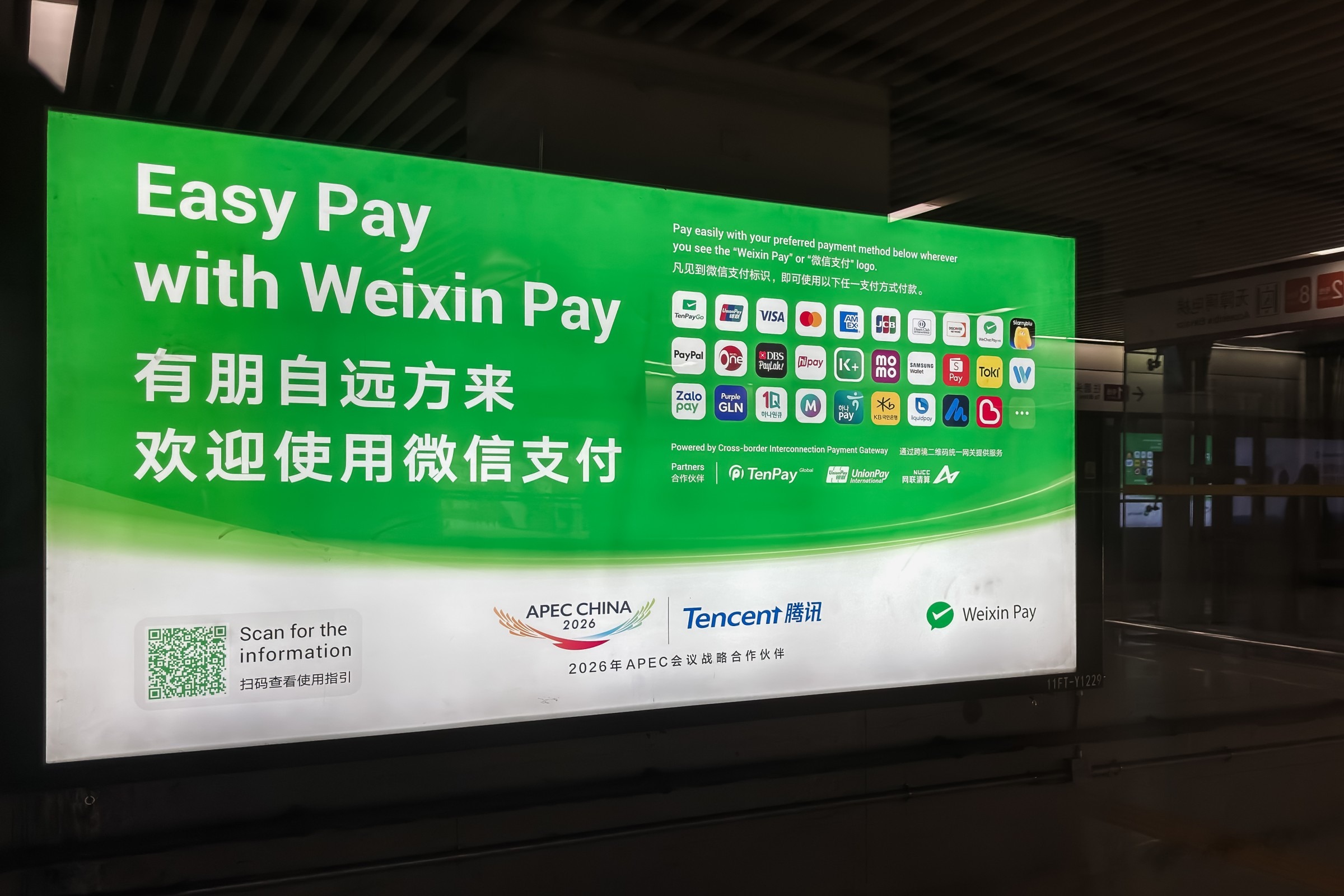
Visitors can also link international bank cards such as Visa and Mastercard to WeChat Pay or Alipay to pay by scanning a QR code, an option widely accepted across the vast majority of restaurants, shopping centres, and supermarkets.

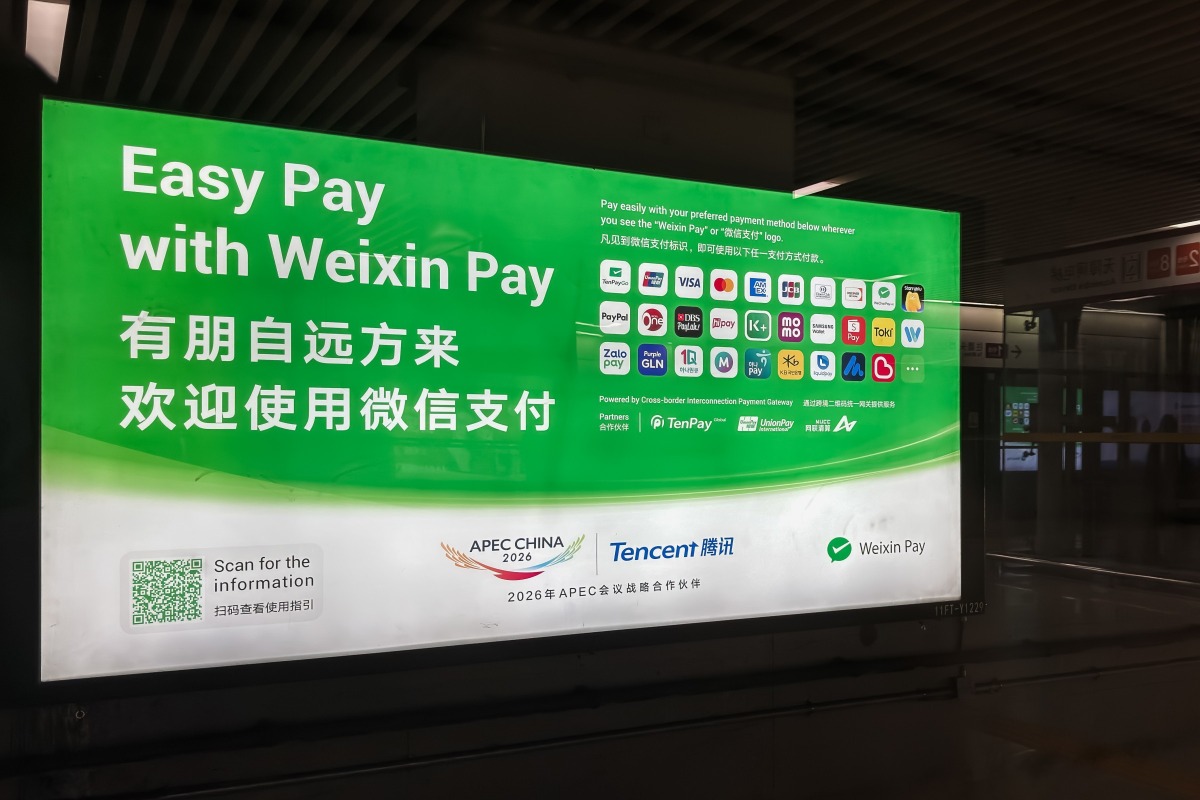
Those who prefer not to download new apps can simply use their own domestic e-wallets.
Currently, WeChat Pay supports 60 overseas e-wallets, including PayPal, ShopeePay, and Hana Pay, allowing visitors to pay directly without switching from their usual payment apps.
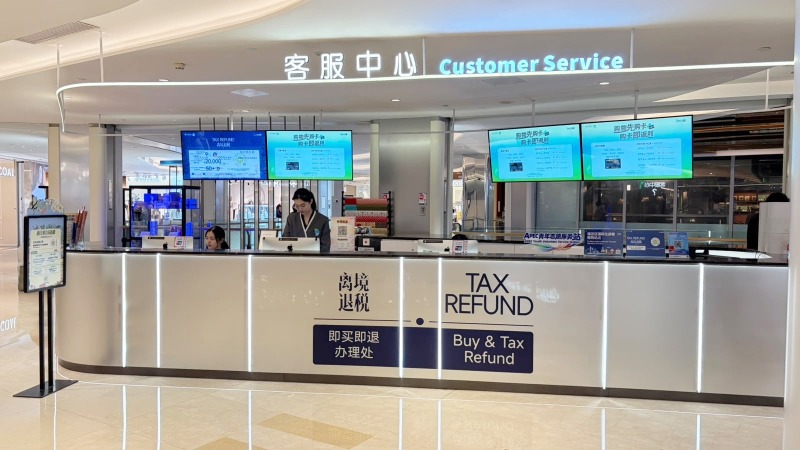
Before departure, tourists can also enjoy a departure tax refund service.
The number of departure tax refund shops in Shenzhen has exceeded 3,000, ranking first in the country. The number of centralised refund points across the city has also increased to 25, covering core commercial districts such as The MixC, CoCo Park, and Huaqiangbei.
After shopping at designated stores, tourists can complete their tax refund on the spot in the fastest possible manner, extending the shopping convenience right up until departure.
The week-long summit has further accelerated Shenzhen's internationalisation.
The true significance of APEC extends beyond economics. It lies in seizing the momentum to transform internationalisation from mere guest hospitality into everyday life.
As visa-free entry, overseas bank card acceptance, multilingual signage, and international e-wallets are progressively rolled out, overseas visitors are finding it increasingly effortless to get around, spend, and live in Shenzhen.
Ultimately, the true strength of a global metropolis lies within these everyday details.
Read more:
Foreigners coming to China for medical treatment? Why is it so attractive?
Why are global travellers being drawn to China's tech tourism?
GBA at a Glance|Understand Shenzhen in 5 figures
Explore China's first bridge for wildlife animals in Shenzhen!